Nature’s psychedelic palette offers a diverse array of mind-altering experiences, with Amanita muscaria and psilocybin mushrooms standing as prominent contenders in this realm. Despite both being fungi capable of inducing profound alterations in consciousness, they offer vastly different journeys. Amanita muscaria, often referred to as the fly agaric, has a rich history of cultural and spiritual significance, particularly in Siberian shamanic traditions. Its psychoactive effects stem from compounds such as muscimol and ibotenic acid, resulting in a unique experience characterized by vivid hallucinations, altered perception of time, and a dream-like state. In contrast, psilocybin mushrooms contain the psychoactive compound psilocybin, which the body metabolizes into psilocin. Psilocybin mushrooms, commonly known as magic mushrooms, have been used for centuries in various cultural and spiritual practices worldwide. The effects of psilocybin are often described as more introspective, emotional, and profound, with users reporting enhanced empathy, mystical experiences, and a deep connection to nature and the universe.
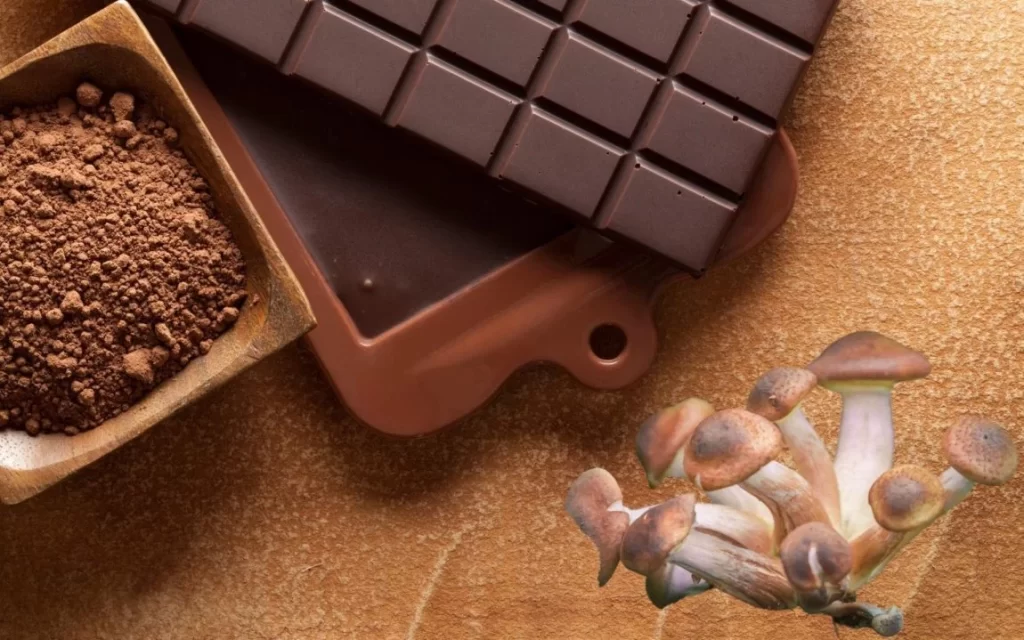
When comparing muscimol vs psilocybin, several factors come into play, including the nature of the experience, duration, and potential risks. Amanita muscaria tends to induce a more dissociative and delirious state compared to the introspective and emotionally profound journey facilitated by psilocybin mushrooms. The effects of Amanita muscaria can vary widely depending on factors such as dosage, individual sensitivity, and preparation method, often leading to unpredictable experiences that may include nausea, confusion, and disorientation. In contrast, psilocybin mushrooms are known for their relatively consistent and predictable effects, offering users a more structured and therapeutic experience when consumed in a supportive setting. Duration is another crucial aspect to consider when comparing Amanita muscaria and psilocybin mushrooms. Amanita muscaria trips tend to be shorter in duration compared to psilocybin mushroom experiences, typically lasting between 4 to 8 hours, with effects tapering off gradually. Psilocybin mushroom trips, on the other hand, can last anywhere from 6 to 12 hours or more, depending on factors such as dosage and individual metabolism. The extended duration of psilocybin trips allows for deeper exploration of consciousness and introspection, making them particularly well-suited for therapeutic and spiritual purposes.
Despite their differences, both Amanita muscaria and psilocybin mushrooms carry potential risks and should be approached with caution and respect. Proper identification and preparation are essential when consuming Amanita muscaria to minimize the risk of toxicity. Psilocybin mushrooms, while generally considered safe when consumed responsibly, can still induce challenging experiences, especially at higher doses, which may result in anxiety, paranoia, or confusion. Set and setting play a crucial role in shaping the psychedelic experience, with a supportive environment and mindset helping to mitigate potential risks and enhance the overall journey. In conclusion, both Amanita muscaria and psilocybin mushrooms offer unique pathways to altered states of consciousness, each with its own characteristics, duration, and potential risks. Whether one seeks a dream-like journey with Amanita muscaria or a deep exploration of the mind and spirit with psilocybin mushrooms, responsible use and proper preparation are paramount for a safe and transformative experience in nature’s psychedelic palette.