The legal status, health effects, and consumer preferences for THC and Delta-8 are subjects of considerable debate and variation. THC, or tetrahydrocannabinol, is the primary psychoactive compound found in cannabis and is well-known for its role in producing the characteristic high associated with marijuana. Its legality varies widely across the globe. In the United States, THC is federally classified as a Schedule I controlled substance, though individual states have legalized its use for recreational or medicinal purposes. This patchwork of state laws has created a complex legal landscape where THC can be legally consumed in some states but remains prohibited in others. Delta-8-THC, on the other hand, is a cannabinoid found in smaller amounts in the cannabis plant and is often synthesized from CBD. Its legal status is somewhat ambiguous. While it is not explicitly listed as a controlled substance, its relationship to THC means it often falls into a grey area of the law. Some states have moved to regulate or ban Delta-8, while others have yet to address its legality, leading to varying levels of availability and regulation.
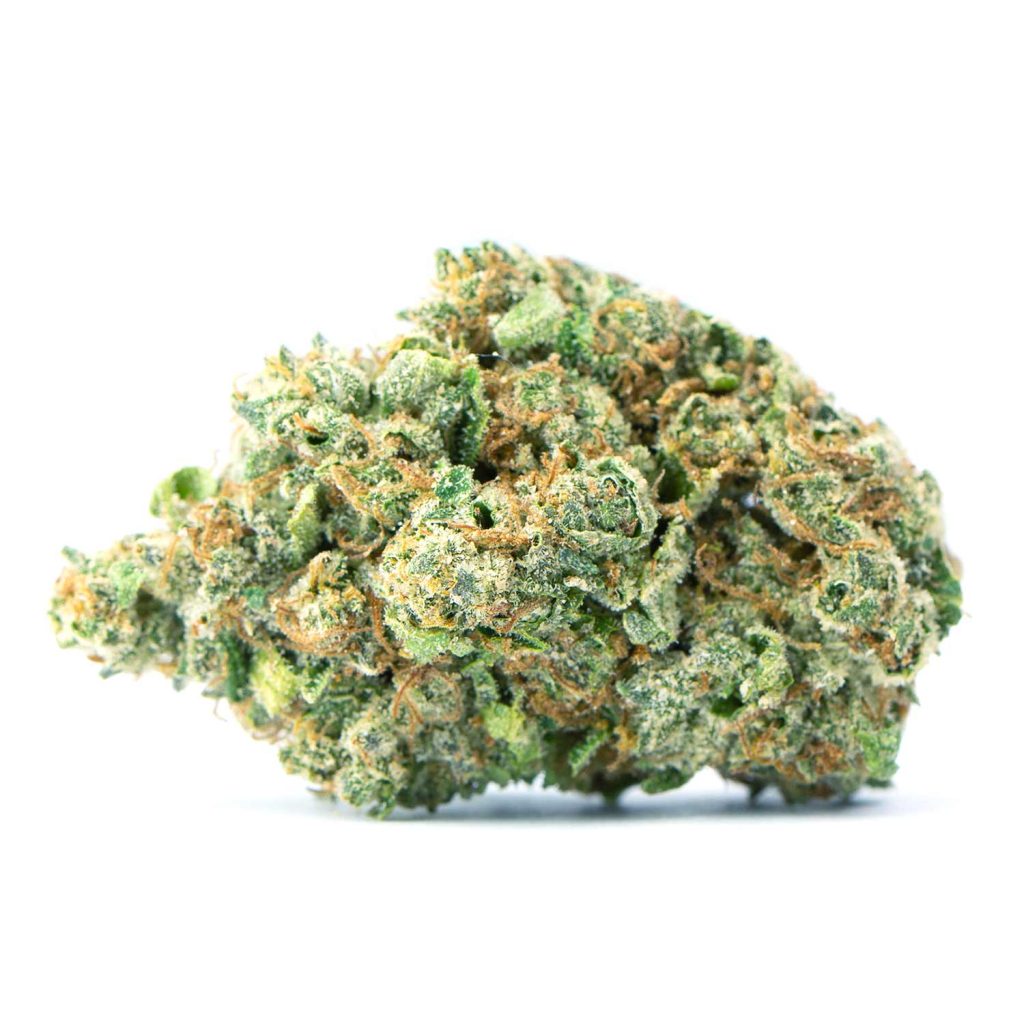
From a health perspective, THC and Delta-8-THC have distinct effects and potential risks. THC is well-studied and known to have both therapeutic and adverse effects. It can provide relief from pain, nausea, and muscle spasticity, and is often used in medical contexts for conditions like chronic pain or cancer treatment. However, it also has potential side effects, including impaired cognitive function, increased heart rate, and anxiety, especially in high doses or in individuals who are sensitive to its effects. Delta-8-THC is less studied, and its health effects are not as well-documented. Anecdotal reports suggest it may offer some of the therapeutic benefits of thc vs delta 8 gummies, such as relief from anxiety and pain, but with potentially fewer psychoactive effects. Some users report that Delta-8-THC provides a milder high and fewer side effects compared to THC. However, the lack of rigorous clinical research means that its safety profile remains unclear, and consumers should approach it with caution until more is known. Consumer preferences for THC and Delta-8 vary depending on legal availability, desired effects, and individual health considerations.
THC remains a popular choice among those seeking strong psychoactive effects and established therapeutic benefits. Its use is widespread in areas where cannabis is legal, with consumers seeking both recreational enjoyment and medicinal relief. Delta-8, being a newer and less regulated option, attracts consumers interested in its potentially milder effects and legal ambiguities. Some people prefer Delta-8 due to its reported lower intensity of psychoactive effects, making it appealing to those who want the benefits of cannabinoids without the pronounced high associated with THC. The evolving legal landscape and the burgeoning market for cannabinoids suggest that consumer preferences will continue to shift as more research emerges and regulations are clarified. Overall, while THC has a well-established profile in terms of legality and health effects, Delta-8 is still navigating its place in both the legal and consumer arenas.